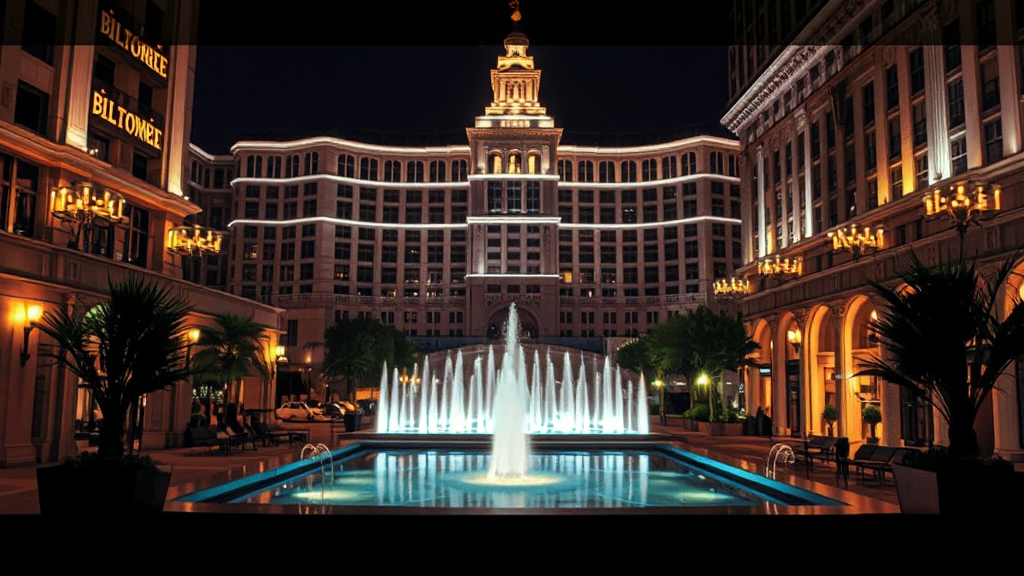
The Art of Modern Hospitality: Redefining Experiences in the Hotel Industry
The hospitality industry has undergone a profound transformation over the past decade. No longer is a hotel simply a place to rest one’s head; it has become a destination in itself, a curator of experiences, and a reflection of local culture. Modern travelers seek more than just a comfortable bed and a clean bathroom—they crave authenticity, personalization, and a sense of belonging. This shift has forced hoteliers to rethink every aspect of their operations, from design and service to technology and sustainability. In this article, we explore the key trends shaping modern hospitality and how forward-thinking properties are redefining what it means to welcome guests.
One of the most significant changes is the move toward experiential travel. Guests today want to immerse themselves in the local community, taste regional cuisine, and participate in activities that offer a genuine connection to the destination. Hotels are responding by offering curated experiences such as cooking classes with local chefs, guided historical tours, and partnerships with nearby artisans. These offerings not only enhance the guest stay but also create memorable moments that drive positive reviews and repeat visits. The emphasis on experience has also led to the rise of boutique hotels and lifestyle brands that prioritize design, ambiance, and storytelling over standardized amenities.
The Role of Personalization in Guest Satisfaction
Personalization has become a cornerstone of modern hospitality. With the help of data analytics and customer relationship management systems, hotels can now anticipate guest preferences before they even arrive. From preferred room temperature and pillow type to dietary restrictions and favorite beverages, every detail can be tailored to create a seamless and individualized stay. This level of attention makes guests feel valued and understood, fostering loyalty and positive word-of-mouth. However, personalization must be executed with care, respecting privacy and avoiding intrusiveness. When done right, it transforms a generic hotel stay into a bespoke journey.
Technology plays a pivotal role in enabling personalization. Mobile apps allow guests to check in, unlock their room, order room service, and communicate with staff—all from their smartphone. Smart room controls let guests adjust lighting, temperature, and entertainment systems to their liking. Artificial intelligence chatbots provide instant answers to common questions, freeing up human staff to handle more complex requests. These innovations not only improve efficiency but also elevate the guest experience by putting control in their hands. Yet, the human touch remains irreplaceable; technology should enhance, not replace, genuine hospitality.
Sustainability as a Core Value
Environmental consciousness is no longer a niche concern but a mainstream expectation. Travelers are increasingly choosing accommodations that demonstrate a commitment to sustainability. Hotels are responding by implementing eco-friendly practices such as reducing single-use plastics, installing energy-efficient lighting and HVAC systems, sourcing local and organic food, and offering linen reuse programs. Some properties have gone further by achieving green certifications, building with sustainable materials, and supporting local conservation projects. Sustainability is not just good for the planet—it also appeals to a growing segment of eco-conscious travelers and can lead to cost savings over time.
Beyond environmental efforts, social sustainability is gaining traction. Hotels are investing in fair labor practices, community engagement, and cultural preservation. They are hiring locally, supporting small businesses, and showcasing indigenous art and traditions. This holistic approach to sustainability resonates with guests who want their travel dollars to have a positive impact. It also helps hotels differentiate themselves in a crowded market. As the industry evolves, sustainability will likely become a baseline requirement rather than a differentiator.
Design and Architecture: Blending Comfort with Local Flavor
Hotel design has evolved from a one-size-fits-all approach to a celebration of local identity. Architects and interior designers are drawing inspiration from the surrounding environment, history, and culture to create spaces that feel authentic and rooted. Whether it’s a beachfront resort using natural materials like bamboo and stone, or a city hotel incorporating local artwork and textiles, the goal is to tell a story. Design elements such as open lobbies, communal workspaces, and rooftop bars encourage social interaction and create a vibrant atmosphere. The aesthetic appeal of a hotel can be a powerful draw, often featured on social media and travel blogs.
Functionality is equally important. Modern travelers often blend business and leisure, so hotels must cater to both. Co-working spaces with reliable Wi-Fi, ergonomic seating, and private meeting rooms are now common. Fitness centers, spas, and wellness programs are expected amenities. The rise of the “bleisure” traveler has led to flexible room configurations and extended-stay options. Thoughtful design that balances beauty with practicality ensures that guests can work, relax, and explore without compromise.
Technology Integration: Enhancing Convenience and Security
Technology continues to reshape the hotel landscape, offering new ways to improve operational efficiency and guest satisfaction. Contactless check-in and check-out, digital key cards, and mobile payment systems have become standard, especially in the wake of the pandemic. These technologies reduce friction and enhance safety. In-room tablets provide access to hotel services, local information, and entertainment. High-speed internet is non-negotiable, as guests expect to stay connected for both work and leisure.
Security is another area where technology is making a difference. Advanced surveillance systems, secure access controls, and data encryption protect guests and their information. Hotels are also using technology to monitor energy usage, optimize housekeeping schedules, and predict maintenance needs. The key is to implement technology thoughtfully, ensuring it adds value without overwhelming the guest. A seamless tech experience can be a competitive advantage, but it must be intuitive and reliable.
The Importance of Staff Training and Culture
No amount of technology can replace the warmth of a genuine smile or the efficiency of a well-trained staff. The human element remains the heart of hospitality. Hotels that invest in employee training, empowerment, and well-being see higher guest satisfaction scores and lower turnover rates. Staff should be knowledgeable about the property, the local area, and how to handle special requests. They should be empowered to resolve issues on the spot without needing managerial approval for every decision. A positive workplace culture translates into better service, as happy employees are more likely to go the extra mile for guests.
Training programs should cover not only technical skills but also soft skills such as empathy, communication, and problem-solving. Role-playing scenarios and ongoing education help staff adapt to diverse guest needs. Recognition and rewards for exceptional service motivate employees to excel. In an industry where reputation is everything, the quality of staff interactions can make or break a hotel’s image.
FAQs
What is the most important factor in modern hotel guest satisfaction?
While many factors contribute to guest satisfaction, personalization is often cited as the most critical. Guests appreciate when their preferences are anticipated and their needs are met without being asked. This includes everything from room amenities to dining options and local recommendations. A personalized experience makes guests feel valued and increases the likelihood of return visits and positive reviews.
How can hotels balance technology with human touch?
The key is to use technology to handle routine tasks and provide convenience, while reserving human interaction for moments that require empathy, creativity, or complex problem-solving. For example, automated check-in can save time, but a warm welcome from a front desk agent can set the tone for the entire stay. Hotels should train staff to use technology as a tool, not a replacement.
What are some effective sustainability practices for hotels?
Effective practices include reducing energy and water consumption through efficient fixtures and smart controls, minimizing waste by eliminating single-use plastics and implementing recycling programs, sourcing food locally to reduce carbon footprint, and engaging in community conservation efforts. Hotels can also educate guests about their sustainability initiatives and encourage participation, such as opting out of daily linen changes.
Why is design important in the hotel industry?
Design sets the first impression and influences the overall mood of a stay. A well-designed hotel can evoke emotions, tell a story, and create a sense of place. It also affects functionality—good design ensures that spaces are comfortable, efficient, and aesthetically pleasing. In a competitive market, distinctive design can be a major differentiator that attracts guests and generates buzz on social media.
In conclusion, the modern hospitality landscape is dynamic and demanding. Hotels that succeed are those that embrace change, prioritize guest experience, and stay true to their unique identity. Whether through personalized service, sustainable practices, innovative design, or thoughtful technology, the goal remains the same: to make every guest feel welcome and valued. For those seeking inspiration on how to blend tradition with innovation, exploring properties like thebiltmorehotels offers a glimpse into the future of hospitality. The journey of redefining experiences continues, and the industry is richer for it.
For readers who want to learn more about thebiltmorehotels, it helps to compare different approaches, read expert opinions, and consider how the topic fits into the broader general landscape.
Another key aspect of thebiltmorehotels is understanding how it relates to other topics in the same field. Many experts recommend starting with a clear overview before diving into specific techniques or strategies.

Be First to Comment